

Cologne 2026 stickers are not behaving like a normal Major drop. Valve changed the shop, players started watching token prices like a live chart, and the CS2 trading crowd immediately split into two camps.
One side sees a possible low-supply cycle. The other sees FOMO, early hype, and a nasty reset if Valve adds a discount later.
That is what makes this release unusual. The debate is not only about which holo looks clean. It is about whether the new Major Shop has changed how CS2 sticker supply forms in the first place.
Contents
- 1 What Valve Changed With Cologne 2026 Stickers
- 2 Why CS2 Players Are Arguing About Cologne 2026 Supply
- 3 The Bigger Question Is A Future Token Sale
- 4 Why Cheap Holos May Matter More Than The Obvious Stars
- 5 Star Player Stickers Are Still Driving The FOMO
- 6 How Cologne 2026 Compares To Older Major Capsules
- 7 What Players Should Watch Before Buying Or Crafting
- 8 Bottom Line: Cologne 2026 Is A New Sticker Rulebook
What Valve Changed With Cologne 2026 Stickers
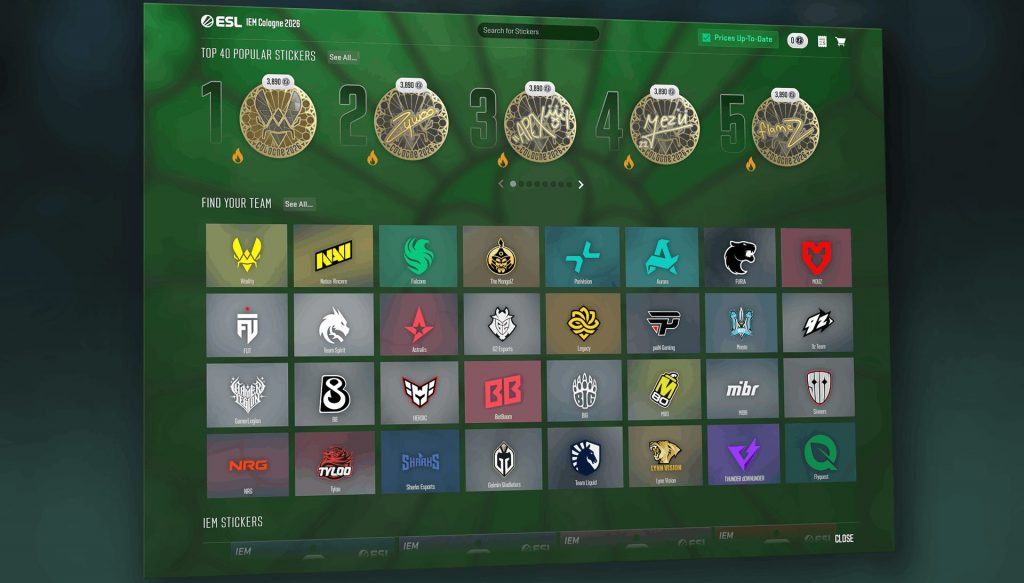
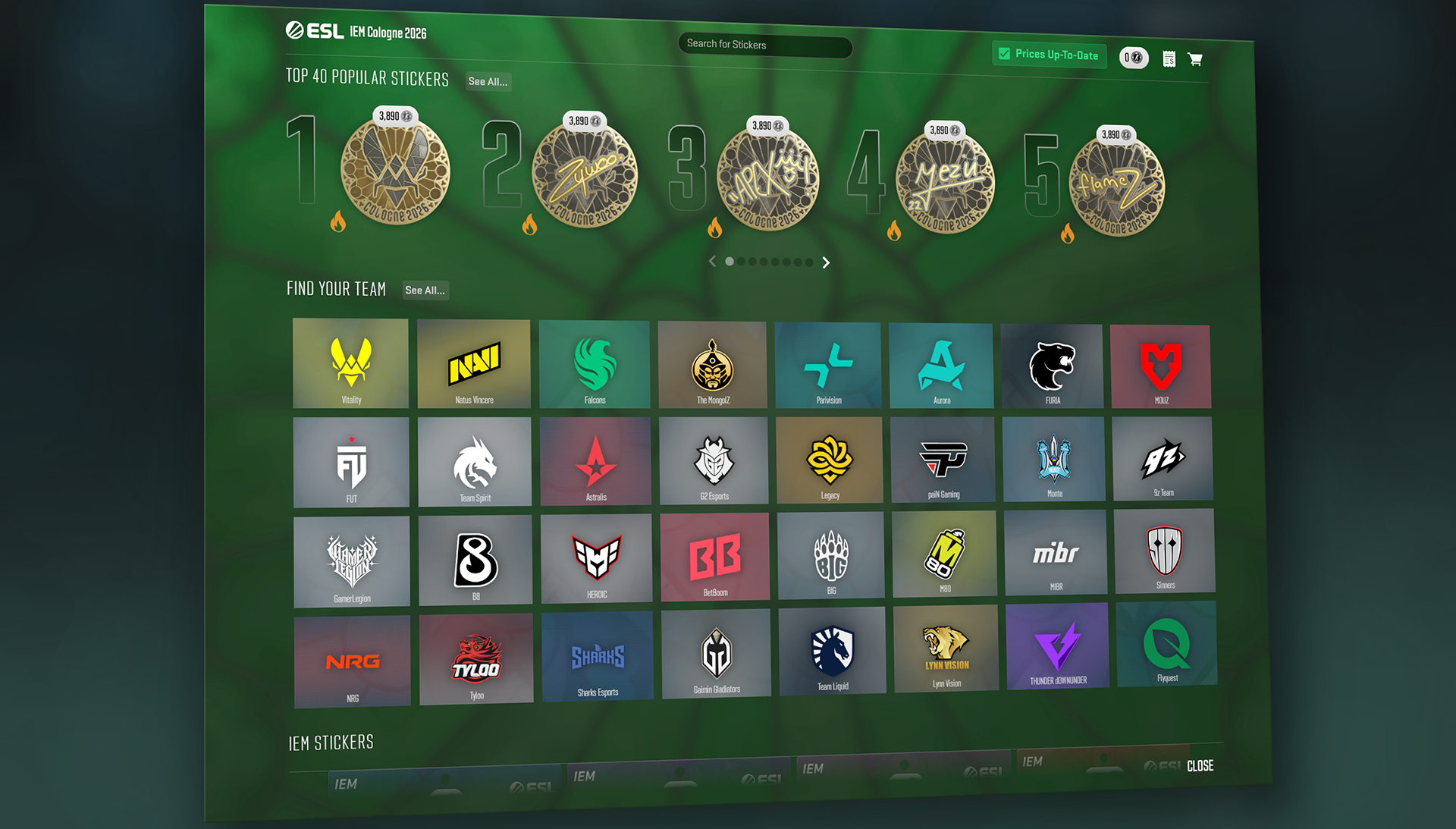
Valve’s official IEM Cologne 2026 announcement confirms the core shift: players can buy tokens and redeem them for specific team or player stickers.
No capsule roll. No opening animation. No hoping the right name drops.
On paper, it sounds simpler. In reality, it gives the CS2 economy a new variable to price in.
Sticker prices now depend on relative demand. If buyers pile into one name, that item can become more expensive while weaker-demand options move the other way. Valve also added a refund mechanism: if a redeemed sticker drops by 25 tokens or more within 24 hours, the difference is returned after one week.
A later CS2 update made the system even more visible by showing seven-day low and high sticker prices inside the Cologne 2026 Major Shop.
The result is a shop that does not just sell tournament items. It also shows the market what everyone else is doing.
Why CS2 Players Are Arguing About Cologne 2026 Supply
The bullish case starts with a simple question: what happens if there is no traditional discount period?
On r/csgomarketforum, players are already asking whether Cologne 2026 could end up with fewer stickers in circulation than recent post-2020 Majors.
“If no discount is implemented, we will probably be looking at the lowest supply of all the past-2020 majors. And the holos look REALLY good!”
That is not proof. It is the cleanest version of the optimistic read.
If tokens never get cheaper, fewer casual buyers may flood the shop. If fewer buyers flood it, some designs could end up thinner than expected. That is exactly where the low-supply argument begins.
But the whole thesis hangs on one thing Valve has not settled yet.
The Bigger Question Is A Future Token Sale
The bearish side is not really arguing that Cologne 2026 stickers look bad. Most of the pushback is about timing.
Early prices can move fast when players are guessing at a new system. Add superstar autographs, clean holos, and Steam Market lag, and suddenly every gap starts to look like a trade.
One Reddit commenter described the cautious view after flipping early:
“Who knows.. I was lucky and copped holos at $6 each – took my profit ASAP when I could sell.. no way prices don’t decline from here imo”
That is the fear in plain language: nice entry, quick profit, do not become exit liquidity.
Another user was even more direct, saying there would “100% be a sale.” Valve has not confirmed that. Still, the expectation alone can affect behavior, because buyers may wait and sellers may undercut before anything official happens.
The real surprise is how much this one unknown controls the whole story. No discount would strengthen the scarcity case. A sale would rewrite the math almost instantly.
Why Cheap Holos May Matter More Than The Obvious Stars
The loudest names will always pull attention first. That is how CS2 works: star players, clean logos, and shiny holos get the first wave of FOMO.
But Cologne 2026 has a quieter angle.
If everyone chases the same expensive stickers, those items may not be as scarce as their price suggests. More attention can also mean more purchases, and more purchases mean more units in circulation.
Less-hyped holos are different. Some may stay cheaper because the crowd is looking elsewhere, and that can make them interesting later if crafting demand catches up.
That does not make every cheap holo a hidden gem. It only means price alone is a weak signal in a demand-based shop.
If you are new to this side of the economy, BLIX’s guide to cheap CS2 stickers is a safer starting point than chasing whatever Reddit is refreshing today.
Star Player Stickers Are Still Driving The FOMO
Of course, the obvious names are still doing obvious-name things.
One Reddit user pointed to a sharp move around a Donk holo listing:
“Donk holo was $26 in the steam market yesterday, today is almost $50, I believe they will continue to climb”
Treat that as community sentiment, not a verified forecast.
Still, it explains why the release feels so jumpy. The shop price moves, Steam listings react, and players immediately compare the spread. A few screenshots later, the gap becomes a thesis.
That can create real buy pressure. It can also create ugly overpay moments, especially when people confuse a listing price with actual stable demand.
The same logic applies to skins: rarity, float, pattern, visual appeal, and buyer attention all stack together. BLIX’s guide to what makes a CS2 skin expensive breaks down that value stack in more detail.
How Cologne 2026 Compares To Older Major Capsules
Cologne 2026 is hard to compare cleanly with older Majors because the buying model changed.
Previous cycles were built around capsules. This one is built around direct token redemption and visible demand-based pricing. That difference matters more than it may seem at first glance.
Older BLIX database pages are useful reference points here. Items like the Antwerp 2022 Legends Sticker Capsule and the Austin 2025 Challengers Sticker Capsule show the capsule-based structure Cologne is moving away from.
They do not predict what Cologne stickers will do next. They show why this Major is not a simple repeat of the old playbook.
What Players Should Watch Before Buying Or Crafting
The biggest question is not just where prices sit today. It is which signal changes the story next.
- Token discount news: a sale would change the supply argument immediately.
- Seven-day shop highs and lows: Valve now shows recent price ranges inside the shop.
- Steam Market spread: watch the gap between listings and shop-equivalent token prices.
- Cheap holo volume: a low floor price means less if circulation is already high.
- Crafting demand: clean looks on popular rifles can matter later.
- Shop duration: the longer Cologne items stay available, the more time supply has to build.
Before crafting, inspect the look properly. A sticker that works in a screenshot can feel very different on a real weapon finish, especially once float, color, and placement enter the picture. BLIX’s guide on how to inspect CS2 skins in-game is useful if you care about clean crafts.
Rarity language can also mislead newer buyers. If tiers, colors, and drop logic still feel fuzzy, BLIX’s explainer on CS2 skin rarity colors and tiers helps with the basics.
Bottom Line: Cologne 2026 Is A New Sticker Rulebook
Cologne 2026 did not just add another batch of Major stickers. It changed the way players buy them, watch them, and argue about them.
The bullish case is easy to understand: strong holos, uneven attention, and a possible low-supply cycle if no discount arrives. The bearish case is just as clear: early hype can punish buyers who overpay before the shop, Steam Market, and community all settle into the new system.
For now, the safest read is not “buy” or “sell.” It is this: Valve handed the CS2 sticker economy a new rulebook, and the market is still figuring out which pages matter.
