


Valve has delivered one of the most sweeping sponsorship policy changes in Counter-Strike history, issuing updated Tournament Operating Requirements (TOR) that ban skin gambling, case-opening platforms, and any third-party sites built on Valve’s in-game item economy from appearing at competitive events.
The move marks a decisive shift in how sponsorships will function across the entire CS2 ecosystem – from Majors to grassroots tournaments.
Contents
The New Rules: Zero Tolerance for Skins-Linked Sponsors
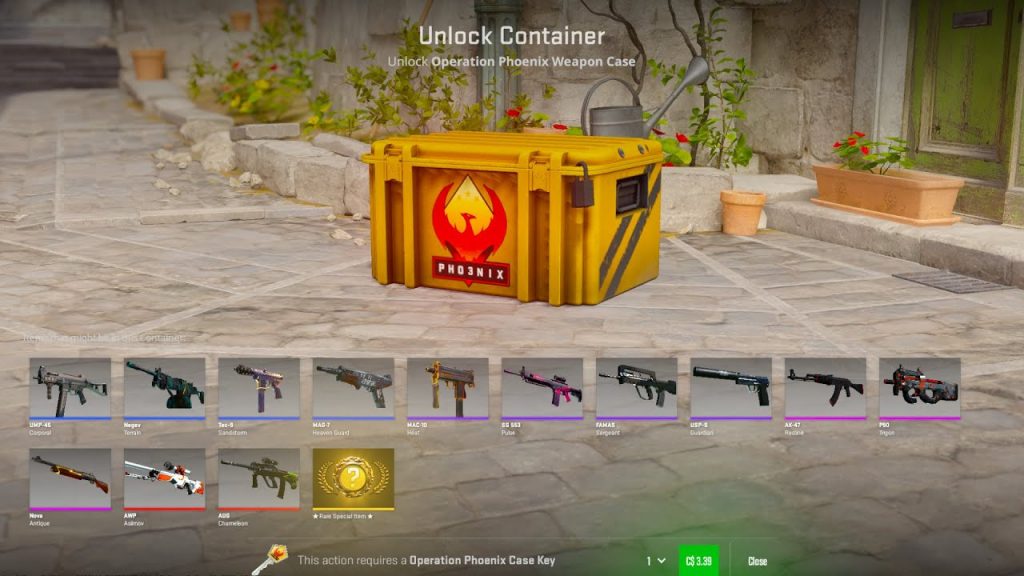
Under the revised TOR and Limited Game Tournament License, tournament organizers are now prohibited from displaying or promoting:
- Skins gambling sites
- Case-opening platforms
- Trading or marketplace services built around CS items.
- Any sponsor whose business model relies on Valve’s in-game economy
This includes team jerseys, broadcast segments, venue signage, digital overlays, in-stream ads, and any other materials related to the event. The ruling applies to all Valve-licensed competitions, regardless of tier – meaning both major international events and small regional tournaments must comply.
Organizers are also required to reject sponsorships from companies whose revenue is tied to activities that violate the Steam Subscriber Agreement or exploit Valve-owned IP. Effectively, Valve has removed the grey area that allowed third-party item-based platforms to operate around professional CS2 for years.
Immediate Impact Across the Scene
Several teams participating in ongoing events such as StarLadder Budapest Major 2025 have already begun removing skins-related sponsors from their jerseys and promotional materials. For some organizations, particularly those in the tier-2 and tier-3 space, these partnerships provided crucial financial stability.
Skins-linked sponsors have been a lifeline for teams operating outside the elite tier, where securing traditional sponsorship revenue is more challenging. Some smaller tournament organizers are now reevaluating their budgets, and insiders indicate that a potential reshuffling of partnerships is underway as organizations seek new income sources.
Why Valve Made the Move

While Valve did not issue a public statement beyond the updated documentation, the intent is clear:
- Protecting Valve IP from unregulated third-party economies
- Limiting legal liability tied to gambling-adjacent advertisements
- Closing loopholes that exploited CS’s item ecosystem
- Reasserting control over commercial activity surrounding the game
Unlike traditional gambling sites that deal in fiat currency, skins-based platforms operate directly within – and often profit from – Valve’s digital economy. For the first time, Valve has taken an unambiguous stance against that relationship.
What This Means for the Future of CS2 Esports
Valve’s crackdown is not a temporary measure – it’s a structural change that forces teams and organizers to rethink how they fund their operations. Expect:
- Sponsorship reshuffles across multiple organizations
- Higher pressure on traditional esports sponsors to fill the gap
- Potential contraction of smaller events that relied heavily on skins partners
- A more formalized, regulated sponsorship environment long term
In an industry where margins are thin and reliable revenue is scarce, Valve has removed one of the most influential and controversial funding sources in CS2.
A Turning Point for Counter-Strike 2
Valve has drawn a line in the sand: no more skins gambling or case-opening sponsors in competitive Counter-Strike 2. The decision closes a chapter that has defined the game’s commercial landscape for nearly a decade and ushers in a new era that prioritizes IP protection and regulatory safety over grey-market revenue.
Whether that shift strengthens or strains the scene will depend on how teams, organizers, and sponsors adapt in the months ahead.
