


If a CS2 skin looks expensive, it’s usually because too many buyers are competing for too few listings of that exact variant. The base price comes from supply and demand, then premiums stack on float/wear, pattern/paint seed (Doppler phases, Fade %), and extras like StatTrak™, stickers, or Souvenir tags.
In this guide, you’ll learn how to check listings vs sold history, spot real rarity, and avoid overpaying—especially after fees.
For the full breakdown of how the market sets those prices (fees, trade-ups, and supply), read How CS2 Skin Prices Work.
Contents
- 1 Why expensive CS2 skins cost more
- 2 CS2 skin supply: rarity, cases, and “available listings”
- 3 CS2 skin demand and liquidity: what sells fast vs what sits
- 4 CS2 float and wear: when paying more is worth it
- 5 CS2 patterns and variants: paint seed, doppler phases, fade %, case Hardened
- 6 How to verify pattern value in 20 seconds
- 7 StatTrak™, Stickers, and Souvenir: when the premium is real
- 8 How CS2 trade-ups affect expensive skins
- 9 Why Steam “prices” look higher than cash markets (and what you really get)
- 10 60-second checklist to price-check any CS2 skin
- 11 Final thoughts: How to decide if an expensive CS2 skin is actually worth it
- 12 FAQ about why CS2 skins are expensive
- 13 Why are CS2 skins expensive?
- 14 What is the biggest factor that determines a CS2 skin’s price?
- 15 Does float always increase a CS2 skin’s price?
- 16 Do patterns and phases really change CS2 skin prices?
- 17 Do stickers increase a CS2 skin’s value?
- 18 Are Steam listings the real market price?
Why expensive CS2 skins cost more
A CS2 skin becomes expensive when the market is fighting over a limited number of listings. The baseline price comes from scarcity, and then collectors pay extra for the cleanest condition, best-looking patterns, and desirable add-ons.
Think of the price in two layers:
- Premiums: float/wear, pattern/variant, extras (StatTrak™, stickers, Souvenir)
- Base price: supply + demand
CS2 skin supply: rarity, cases, and “available listings”
Supply isn’t just “how many exist.” It’s also how many are listed right now. If most owners hold long-term and only a few listings exist, prices jump fast when buyers compete.
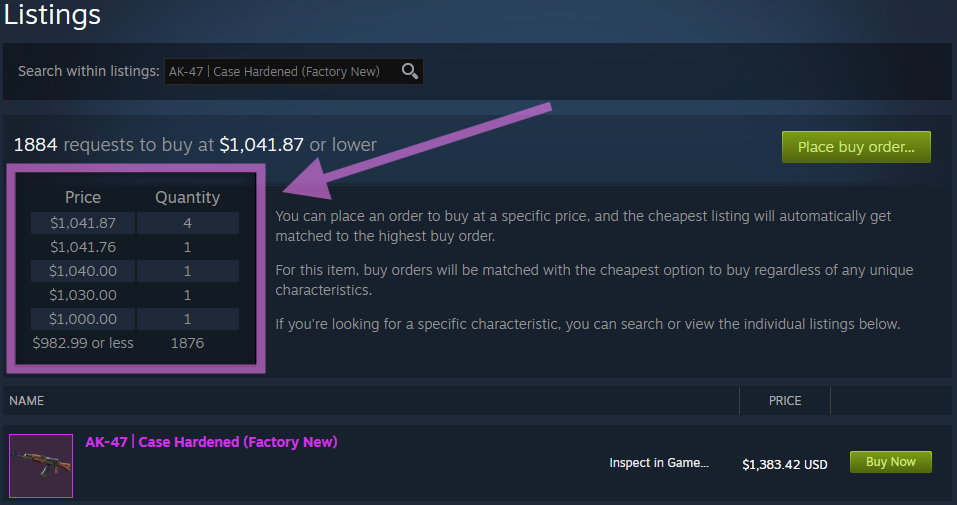
Fast ways to spot tight supply:
- Few active listings in your exact wear/variant (FN vs FT, StatTrak vs normal)
- Item tied to older/less-opened cases or specific collections
- Certain versions are rarely listed (very low float, top patterns)
Want to see how new releases affect supply and prices? Read our guide on all new CS2 cases in 2026.
CS2 skin demand and liquidity: what sells fast vs what sits
A skin can be rare and still not be expensive if few people want it. Demand comes from:
- Popular weapons (AK-47, AWP, M4A1-S or M4A4, etc.)
- Iconic finishes people recognize instantly (AK-47 | Wild Lotus, AWP | Dragon Lore, M4A1-S | Hot Rod, M4A4 | Poseidon)
- Status items (knives/gloves) that buyers chase (usually Butterfly, Karambit, Bayonet for knives and Sport, Specialist, Moto for gloves)
Liquidity matters too: some skins sell quickly at a normal price, while others look expensive only because listings are wishful.
Quick liquidity check:
- Easy to sell: popular weapon + widely liked finish + lots of recent sales
- Hard to sell: niche weapon + polarizing finish + few recent sales + “overpriced craft”
Want to maximize your odds (and avoid wasting money) before you open anything? See our picks for the best CS2 cases to open in 2026.
CS2 float and wear: when paying more is worth it
Float controls how clean a skin looks in-game. Factory New (FN) and low-float Minimal Wear (MW) are rarer, so they often cost more. On the other end, Battle-Scarred (BS) is usually the cheapest because the wear is obvious—though some finishes still look surprisingly good even at high float. We took AWP | Ice Coaled as an example.
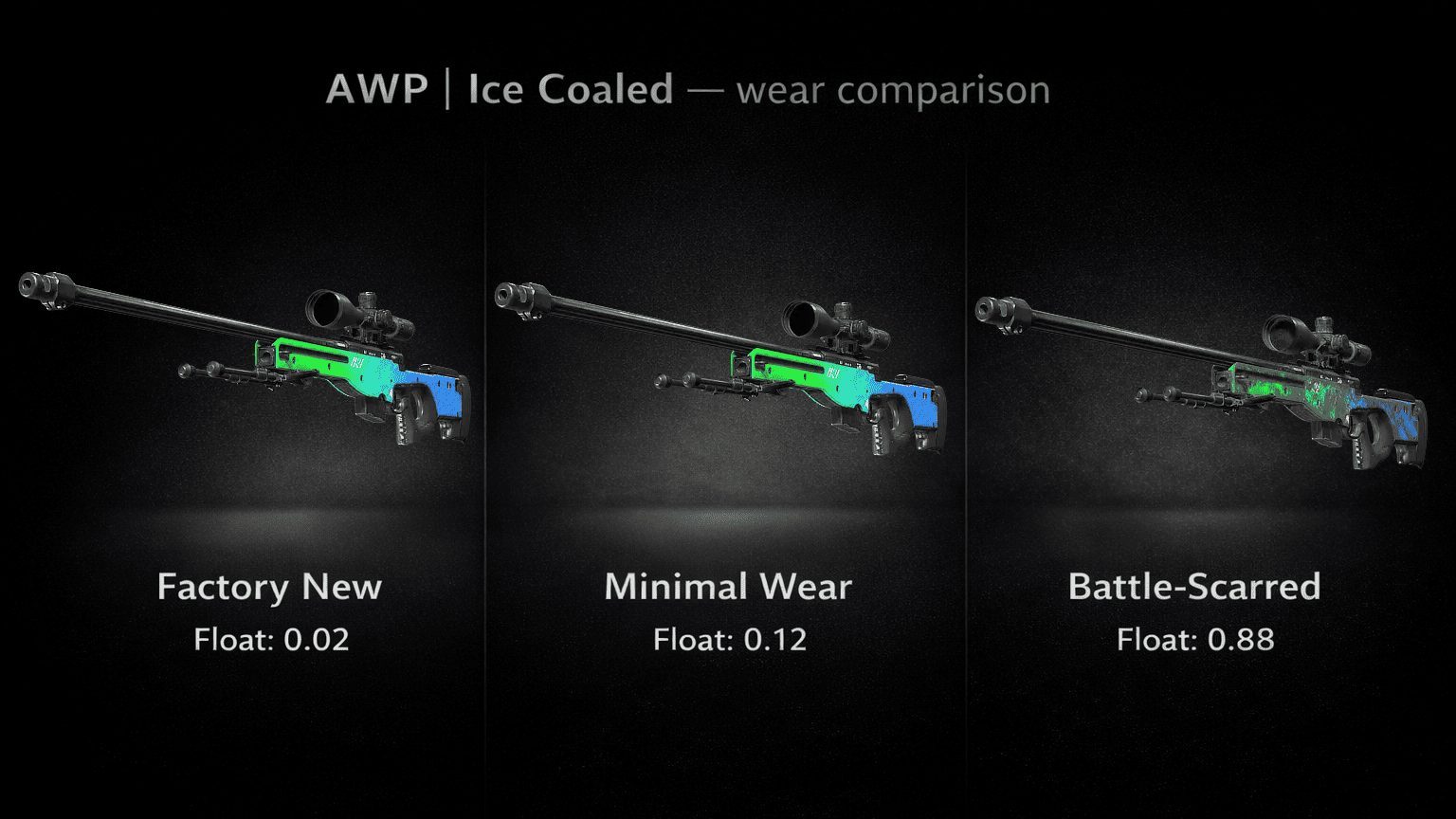
Don’t overpay for float if:
- MW/FT looks nearly identical in-game for that finish
- The price jump is huge but the visual difference is small
- The seller is pricing “pretty numbers” (0.00x) with no real resale benefit
If you’re buying for play value, MW or a clean FT often gives the best looks-per-dollar.
CS2 patterns and variants: paint seed, doppler phases, fade %, case Hardened
Patterns only matter when they change what you see. That’s why two skins with the same name can have completely different prices.
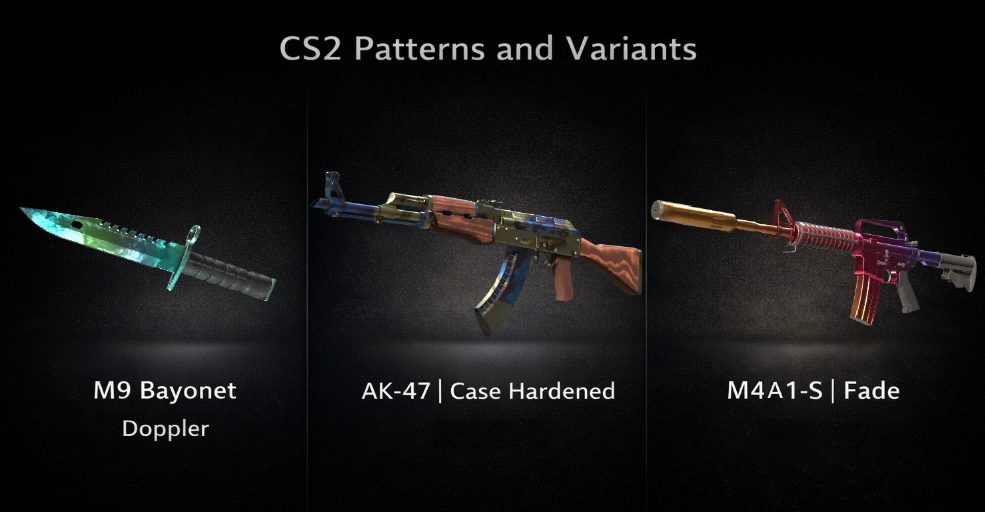
Pattern-sensitive examples:
- Doppler: price varies by phase, and some seeds look better within a phase
- Fade: higher Fade % usually looks smoother and can cost more
- Case Hardened: some layouts have far more desirable playside color coverage (including “blue gem” hype)
If you want the deep dive on how float value + patterns change a skin’s price, read our guide on CS2 skin float value and patterns: what affects price.
How to verify pattern value in 20 seconds
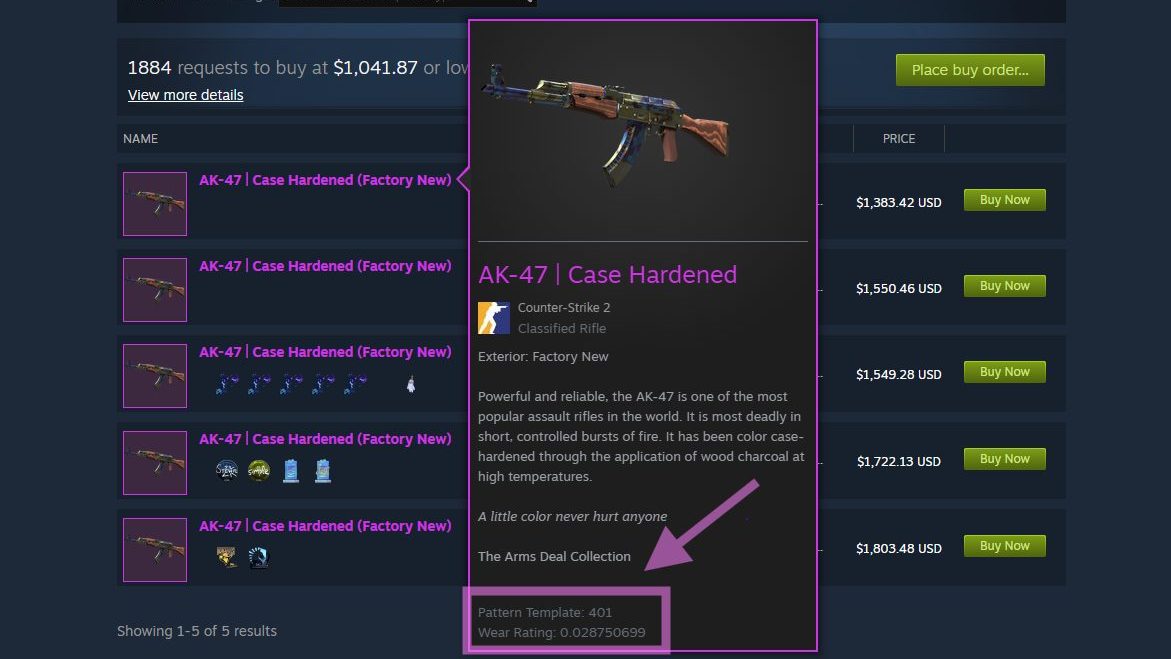
- Open the inspect link on Steam (we took AK-47 | Case Hardened as an example) and note the paint seed / pattern index (and the wear/float).
- Use a pattern checker or a pattern database to confirm what the seed actually looks like (phase / Fade % / playside coverage).
- Compare against recent sold prices for the same wear and the same pattern tier.
Overpay trap: If the seller claims “top pattern” but can’t show the inspect link/seed details, price it like a normal version.
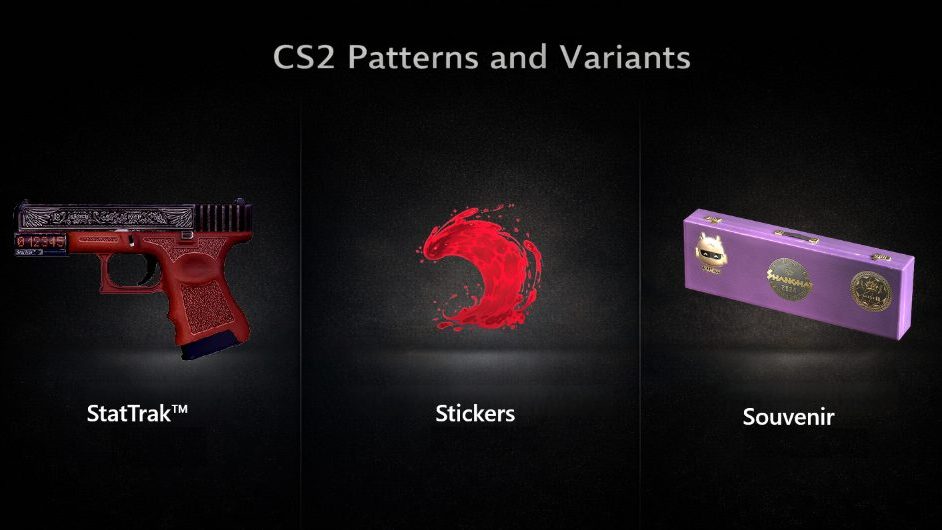
StatTrak™ can add value because it’s less common and some buyers love the kill counter. The premium is strongest on high-usage weapons and popular finishes—and weakest on niche skins.
Stickers and crafts add value when the combo is recognizable, clean, and actually wanted. Most crafts do not return full sticker price because stickers can’t be recovered (removing them destroys them).
Souvenir adds value when the underlying skin is desirable and the event/sticker set has collector demand. Souvenir alone isn’t a guarantee of a big premium.
Want sticker ideas that actually look good in-game (and can add real value to crafts)? Check our picks for the best green stickers in CS2.
How CS2 trade-ups affect expensive skins
A CS2 trade-up is simple math: usually 10 skins in → 1 skin out at the next rarity tier (e.g., Mil-Spec → Restricted → Classified → Covert). All inputs must be the same rarity, and the output comes from the collections your inputs belong to. (Some Covert contracts use 5 inputs for knife/glove outcomes.)
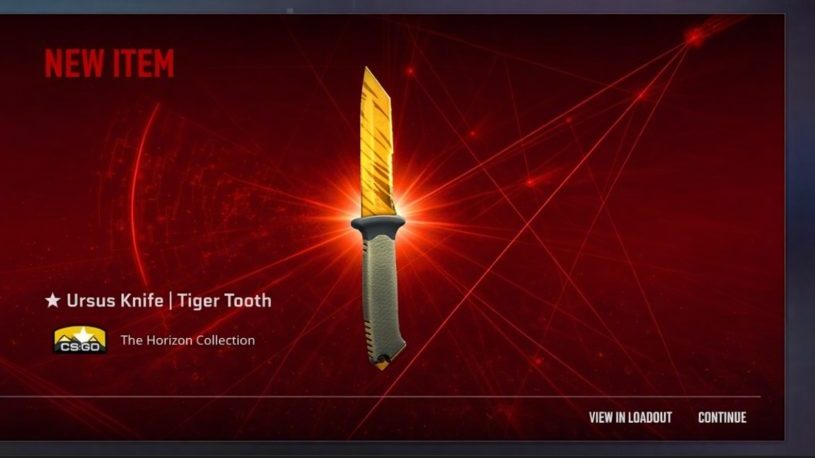
Odds: If the next rarity tier in that collection has N different possible skins (N = the number of eligible outputs), your chance to hit a specific one is 1/N. If you mix collections, odds are weighted by input count (e.g., 6/10 = 60% of outcomes pull from Collection A’s pool).
Wear/float: Output wear is derived from average input float (normalized into the output skin’s float range), so clean FN/clean MW outcomes usually require low-float inputs, which are rarer and pricier.
If you’re thinking about trying it, read this first: CS2 Knife Crafting Explained: How New Trade Up System Works (rules, inputs, and what affects the result).
Why Steam “prices” look higher than cash markets (and what you really get)
| Topic | Steam Community Market | Third-party marketplaces |
|---|---|---|
| Why the listed price differs | Steam prices often look higher because every sale includes platform/game cuts and the payout is Steam Wallet, not cash. | Prices often look lower because they’re cash-priced, compete across platforms, and may use different fee structures. |
| Typical fees | Around ~15% total in many CS2 sales (~5% Steam fee + ~10% game fee). Payout can vary slightly due to rounding/minimum fees. | Fee models vary (seller fee, buyer fee, withdrawal fees). Some also add deposit/withdrawal costs. |
| What you receive | You don’t “cash out” from the sale—your net is in Steam Wallet, which creates a natural spread vs cash markets. | You typically receive cash value, but net depends on marketplace + withdrawal + conversion costs. |
| Quick rule of thumb | Steam Wallet payout ≈ Steam price × 0.85 | Compare using net-after-fees on both sides (not headline prices). |
| Example | Sell for $100 → receive about $85 in Steam Wallet (buyer pays $100). | The same skin may list below Steam because it’s priced closer to cash value and competition pushes it down. |
60-second checklist to price-check any CS2 skin
- Match the exact item: weapon + skin + wear tier + StatTrak™/Souvenir.
- Check listing depth: is there a thin handful of sellers or a deep wall?
- Validate float premium: pay extra only if the finish is wear-sensitive.
- Verify pattern only if needed: Doppler/Fade/Case Hardened—confirm phase/%/seed.
- Use sold history: sold prices beat listings for “real” market value.
- Liquidity gut-check: could you resell it quickly, or is it a niche craft that sits?
Final thoughts: How to decide if an expensive CS2 skin is actually worth it
Expensive CS2 skins aren’t “randomly overpriced”—they’re usually priced that way because demand is concentrated on a tiny number of listings for the exact variant (wear tier, float, pattern/paint seed, StatTrak™/Souvenir).
If you want to avoid overpaying, base your decision on recent sold history (not listings), only pay a premium when float/wear or pattern/phase/Fade% changes the in-game look, and compare net-after-fees if you plan to resell (Steam Wallet payout vs cash markets).
If the seller can’t prove the inspect link/seed or the price doesn’t match sold comps, it’s not a “rare skin”—it’s a risky listing.
FAQ about why CS2 skins are expensive
Why are CS2 skins expensive?
CS2 skins are expensive when buyer demand is higher than the number of available listings for that exact version. Scarcity sets the base price, then collectors pay premiums for better wear, patterns, and extras.
What is the biggest factor that determines a CS2 skin’s price?
The biggest factor is supply vs demand for the exact variant (wear + pattern/phase + StatTrak™/Souvenir). A rare skin can still be cheap if not many people want it.
Does float always increase a CS2 skin’s price?
No—float increases price only when wear noticeably changes how the skin looks for that finish. If MW and FT look the same, the premium is often just hype.
Do patterns and phases really change CS2 skin prices?
Yes—patterns matter when they change appearance, like Doppler phases, Fade %, and Case Hardened layouts. Two identical-name skins can have very different prices because their seed changes the look.
Do stickers increase a CS2 skin’s value?
Sometimes—stickers add value only when the craft is clean, recognizable, and in-demand. Most crafts don’t add full sticker value because stickers can’t be recovered.
Are Steam listings the real market price?
No—listings are asks; sold history reflects what buyers actually pay. If sales are rare, the item is illiquid and “market price” is less reliable.
